Hi! This is my news feed. I will be adding posts to this feed for your interest. Kind regards, Paul
Could excessive glucose metabolism be an overlooked contributor to risk of developing Parkinson’s disease?
Our recent paper in Trends in Endocrinology & Metabolism describes a hexokinase-2 (HK2)–glycolytic overload axis linking diabetes and metabolic dysfunction with increased risk of Parkinson’s disease. We describe how excessive glucose flux in astrocytes, microglia and cerebrovascular cells may initiate pathogenesis with downstream effects contributing to α-synuclein pathology and neuronal dysfunction. This is relevant to patients with diabetes and the elderly in general where the aging brain may become susceptible to glycolytic overload even with blood glucose concentration in the normal range. This raises an important question for Parkinson’s disease research: could targeting dysregulated glucose metabolism and cellular metabolic stress complement approaches directed at α-synuclein and neuroinflammation? Indeed, glycolytic overload is a likely major contributor to neuroinflammation through methylglyoxal-linked activation of the unfolded protein response and NLRP3 inflammasome. Our article brings together the recent emerging evidence and identifies opportunities for experimental and translational investigation – particularly GlucoRegulate by GloVitality supplement for correction of HK2 dysregulation and potentially preventive therapy. It’s time to pushback against this severely debilitating disease.

See: Muhanad Alhujaily, Naila Rabbani and Paul J. Thornalley. Hexokinase-2–glycolytic overload axis in brain disorders exacerbated by diabetes. Trends in Endocrinology and Metabolism, 2026, https://doi.org/10.1016/j.tem.2026.09.006
Paul J Thornalley, 7th October 2026
How dysregulated glucose metabolism predisposes the elderly and patients with diabetes to dementia, Parkinson’s disease and stroke
Recent research suggests increased glucose metabolism in the central nervous system in hyperglycemia occurs in cells expressing hexokinase-2 (astroglia and vascular cells).
Hexokinase-2-linked glycolytic overload is proposed in explanation for related cell dysfunction driving increased risk of mild cognitive impairment and dementia, Parkinson’s disease, and stroke in patients with diabetes.
This engages mitochondrial dysfunction, protein O-linked β-Nacetylglucosaminylation, protein kinase C, and methylglyoxal-induced unfolded protein response and NLRP3 inflammasome activation —including a vicious cycle of β-amyloid-linked hexokinase-2 expression in microglial cells and brain insulin resistance.
A strategy for prevention is activation of transcription factor Nrf2 where a candidate intervention (GlucoRegulate by GloVitality) with existing clinical evidence for improving insulin resistance is described.
This reveals, for the first time, the impact of “Glycolytic overload” in the brain.
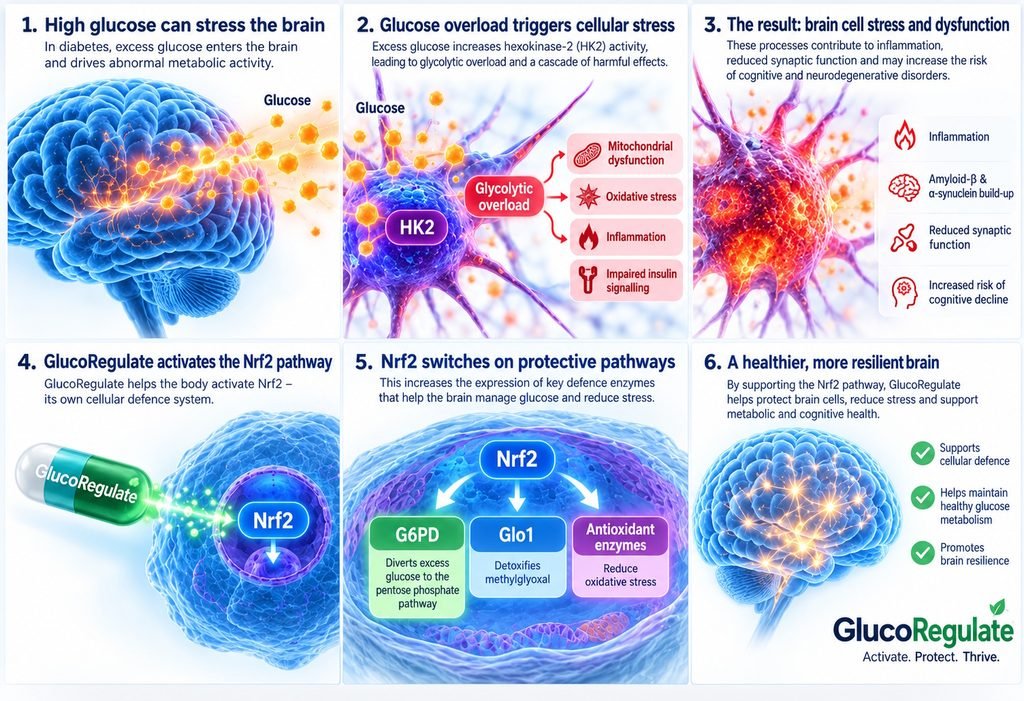
See our new paper: Muhanad Alhujaily, Naila Rabbani and Paul J. Thornalley. Hexokinase-2–glycolytic overload axis in brain disorders exacerbated by diabetes. Trends in Endocrinology and Metabolism, 2026, https://doi.org/10.1016/j.tem.2026.09.006
Insulin resistance — more than one type
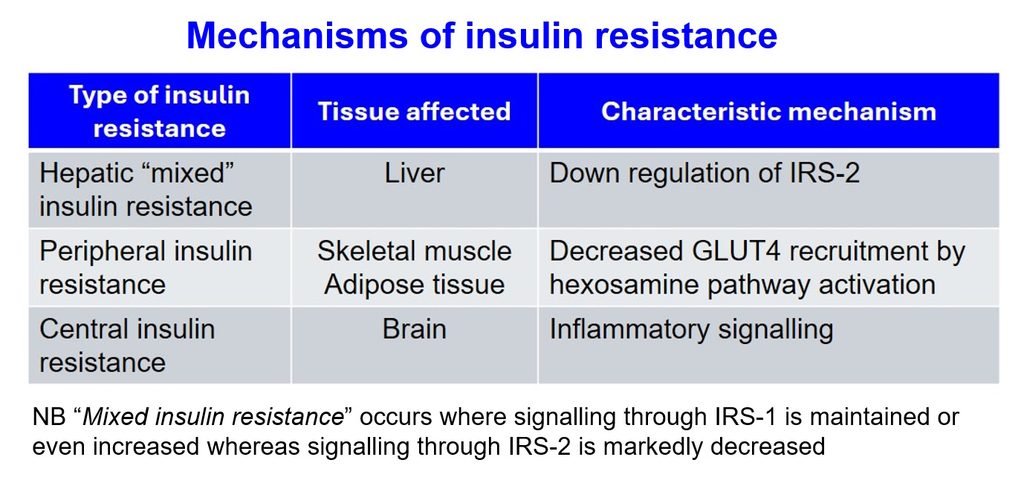
Insulin resistance is an important early feature of declining metabolic health. But it is not a single process occurring throughout the body. Four major sites are particularly important: liver, skeletal muscle, adipose tissue and brain. Each has distinct metabolic functions and characteristic mechanisms that can contribute to impaired insulin action. Understanding these differences matters. If we want to develop effective strategies to prevent or reverse insulin resistance, we need to understand which metabolic disturbances drive insulin resistance in each tissue — and how they interact.
The table below provides a simplified overview of the three forms of insulin resistance and some of the key mechanisms involved.
Paul J Thornalley, 30th August 2026
Declining metabolic health: is the initiating cause hyperinsulinemia or glucose dysregulation? Could it be due to both?
At the 2022 American Diabetes Association Scientific Sessions, a debate took place between Professors Jim Johnson and Steven Kahn on a fundamental question in type 2 diabetes:
Is hyperinsulinemia a primary driver of insulin resistance and metabolic dysfunction — or is it largely a response to underlying defects in glucose regulation?
Similar debate applies to the drivers of prediabetes where beta-cells remain functional. There is evidence supporting important roles for both insulin resistance and pancreatic β-cell dysfunction, while their relative importance in individuals may vary depending on genetic, lifestyle and dietary factors.
Rather than asking which comes first, we see these two aspects as a self-reinforcing cycle. See schematic below. The important question then becomes what drives and sustains the cycle? As we have described recently, one factor is high dietary sugar and/or fat, contributing to hepatic insulin resistance through glycolytic overload (uptake and metabolism of more glucose than can be safely handled) in the liver. Elevated glucose in skeletal muscle, adipose tissue and pancreatic beta-cells drives glycolytic overload-induced peripheral insulin resistance and beta-cell metabolic stress. This connects observations from both hyperinsulinemia and hyperglycemia perspectives. The challenge, then, is where and how we can we intervene to break the cycle.
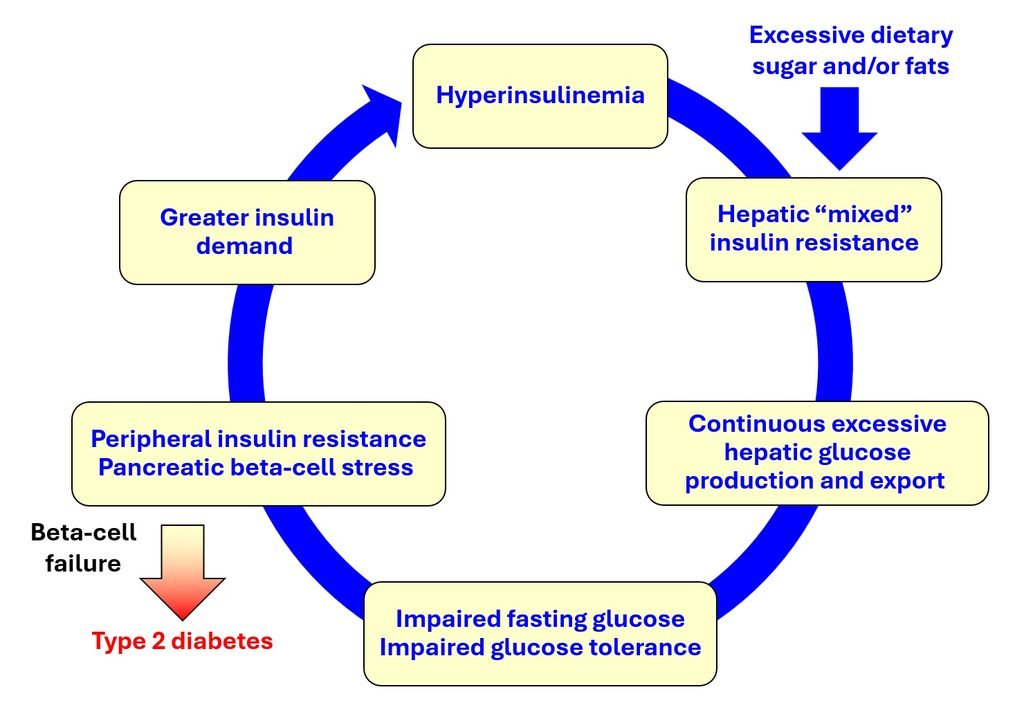
Vicious cycle of hyperinsulinemia and impaired glucose metabolism in declining metabolic health leading to type 2 diabetes
References
Paul J Thornalley 30th August 2026
Restoring the Balance: How GlucoRegulate Activates Nrf2 for Effective Glucose Control
Most health advice around glucose focuses entirely on plasma glucose concentration steady by continuous monitoring or steady on a tracker. While balancing blood sugar is vital, true metabolic health depends on how effectively your cells actually use that sugar.
When your cells are hit with a wave of glucose, they rely on specific pathways to handle the workload. If those pathways are overwhelmed, your cellular machinery faces severe metabolic stress.
Here is a look at the exact science behind GlucoRegulate and how its dual-ingredient formula works to optimize your metabolic pathways before your day even begins.
1. Awakening Nrf2: Master Cytoprotective Regulator
At the heart of GlucoRegulate’s formula—a precise blend of trans-resveratrol and hesperetin—is the activation of Nrf2. Nrf2 is a crucial transcription factor that acts as your body’s master regulator of cellular defense and metabolic balance. As we age, Nrf2 can become sluggish. By awakening this master switch, GlucoRegulate restores your body’s natural blueprint for effective glucose control.
2. Pacing the Pipeline: Normalising Hexokinase-2
Once Nrf2 is activated, it goes to work optimizing your enzymes. When glucose enters a cell, an enzyme called Hexokinase acts as the main valve, pulling sugar into the pipeline to create energy. However, during times of high glucose, one type of hexokinase – hexokinase-2 (HK2), can become locked “open,” causing glycolytic overload. Nrf2 activation helps normalize HK2 levels, essentially installing a smart governor on the valve so fuel enters at a manageable, steady pace.
3. The Great Detour: The Pentose Phosphate Pathway
What happens to the excess sugar that gets kept out of the main engine? Rather than letting it build up and disrupt your glucose balance, GlucoRegulate safely diverts it into an alternative route called the Pentose Phosphate Pathway (PPP).
The PPP is a highly protective alternative pathway. Instead of burning glucose for raw fuel (which creates cellular stress when overdone), the PPP uses that sugar to manufacture NADPH—the fundamental building block your cells need to produce antioxidants and defend against aging. This is the definition of effective glucose use.
4. Quietening the Cellular Distress Alarm
When a cell is overstuffed with fuel, its internal factory gets overwhelmed. Proteins begin to misfold, which triggers an emergency distress signal called the Unfolded Protein Response (UPR)—a primary driver of glucose-related cellular inflammation.
By activating Nrf2, GlucoRegulate also induces Glo1 (Glyoxalase 1), a vital enzyme that acts like a pressure-relief valve. By boosting Glo1, the supplement calms the cellular environment, prevents the UPR alarm from firing, and stops metabolic inflammation before it starts.
GlucoRegulate supplement is available from GloVitality Ltd and Amazon UK.
Paul J Thornalley, 16th July 2026
Why Your Lunch is Making You Tired (And How to Restore Healthy Glucose Control)
We have all been there. It’s 2:00 PM. You enjoyed a perfectly normal lunch an hour ago – perhaps a sandwich or a bowl of pasta – and suddenly, a heavy wave of exhaustion hits. Your eyelids feel heavy, your brain feels foggy, and all you want is a nap or a third cup of coffee.
We might think this afternoon slump is just a natural part of aging. We assume our metabolism is naturally slowing down, and we simply accept the fatigue and loss of resilience.
But what if age isn’t the problem? What if you have simply lost optimal control over how your body processes fuel?
The Hidden Cause: Glycolytic Overload
When we eat carbohydrates or sugars, our bodies break them down into glucose to use for fuel. This process is called glycolysis.
Think of glycolysis as a factory assembly line. When we are younger, this line moves efficiently, maintaining a perfect, healthy glucose balance. But as the decades pass, our cells can easily lose their natural pacing and become overwhelmed by a sudden influx of glucose. Instead of smoothly processing the fuel, the assembly line gets jammed.
Scientists call this glycolytic overload. When your cells are flooded with more fuel than they can handle, they experience a form of metabolic backpressure leading to multiple cellular stresses. Instead of giving you a burst of energy, that heavy, post-meal slump.
Restoring Effective Glucose Use
The good news is that you don’t have to radically change your entire diet or give up your favorite foods to stay alert. You just need to restore your body’s natural ability to manage glucose effectively.
By awakening a master internal switch that handles metabolic pressure, your body can smoothly re-route excess sugars before they overwhelm your system. Instead of jamming the engine and causing a mid-afternoon crash, that extra fuel is converted into steady, clean protection.
The Bottom Line: You don’t have to accept afternoon fatigue as a permanent rule of getting older. By supporting your metabolic health first thing in the morning, you can restore a youthful glucose balance, take back control of your energy, and keep your momentum all day long. This is achieved with supplement GlucoRegulate by GloVitality Ltd.
Paul J Thornalley 13th July 2026
Prospect of improved brain health with supplements that increase oral glucose insulin sensitivity (OGIS) index
Abnormal activation of astroglia cells in the brain, astrocytes and microglial cells, is linked to inflammation driving the development of cognitive impairment and increased risk of stroke. Inflammatory activation of astroglia cells in the brain can be assessed by magnetic resonance imaging (MRI). Increase in astrocyte and microglia cell inflammation correlated negatively with the marker of insulin resistance, oral glucose insulin sensitivity (OGIS) index. Increase in OGIS over one year in adults with obesity and normal glucose tolerance, impaired glucose tolerance, or type 2 diabetes was linked to decreased astroglia cell inflammatory activation (Diabetes Care 45, 416–424, 2022). Dietary supplement GlucoRegulate (formerly called Glo1 inducer) increased OGIS in adults living with overweight and obesity to levels of healthy people with normal insulin sensitivity (Diabetes 65, 2282–2294, 2016). This holds the prospect that supplements like GlucoRegulate that correct OGIS to normal levels may decrease the risk of mild cognitive impairment and stroke in adults with overweight and obesity. Great to consider that we may have safe and effective supplements to decrease the risk of mild cognitive impairment and stroke – which is of increased prevalence in the elderly population. GlucoRegulate supplement is available from GloVitality Ltd.
Paul J Thornalley, 1st July 2026
Benefit of GlucoRegulate supplement in impaired fasting glucose and impaired glucose tolerance
People with impaired fasting glucose (IFG), impaired glucose tolerance (IGT) and both impaired fasting glucose and impaired glucose tolerance had decrease insulin sensitivity – as judged by the oral glucose insulin sensitivity (OGIS) index. See Abdul-Ghani et al., Diabetes 55, 1430–1435, 2006. In clinical trial, GlucoRegulate (trans-resveratrol and hesperetin; previously known as Glo1 inducer) treatment of people living with overweight and obesity for 8 weeks corrected the OGIS index to the levels of people with normal glucose tolerance. See Xue et al., Diabetes 65, 2282–2294, 2016. Therefore, people living with impaired fasting glucose, impaired glucose tolerance and both impaired fasting glucose and impaired glucose tolerance may benefit from taking GlucoRegulate supplement.
For more on GlucoRegulate supplement see:
Paul J Thornalley, 29th May 2026
Presentation at the European Federation of Clinical Chemistry and Laboratory Medicine (EFLM) Strategic Conference 2026, Prague, Czechia, 24th – 25th April
Happy to give a presentation on “Laboratory measurement of protein glycation in the era of precision medicine – biomarkers of metabolic dysfunction and health decline”. The conclusions of the presentation are given below.
- Glycated hemoglobin A1C is in widespread use for diagnosis and therapeutic monitoring of diabetes. Validity of A1C for glycemic control is impaired in renal failure, unstable hemoglobin variants and dysregulated iron and red blood cell metabolism
- Glycated albumin (GA) is recommended where A1C fails. Validity is impaired by change of albumin TER, cirrhosis and renoprotective drugs. Serum fructosamine is a related measure
- Advanced glycation endproducts (AGEs), measured robustly by LC-MS/MS, are promising markers of glycemic control, metabolic dysfunction, renal function and risk predictors of vascular complications of diabetes. Other applications include screening for autism and early-stage osteoarthritis
- Hexokinases have a gatekeeping function in the control of flux of glucose metabolism, subverted for hexokinase-2 and glucokinase in persistent hyperglycemia to produce “glycolytic overload”
- FPG, A1C and GA remain important assessments of glycemic control. MG-H1 filtered flux likely provides an indirect measure of glycolytic overload and may provide for improved monitoring of risk of development and progression of glycemic disease

Paul J Thornalley, 26th April 2026
GlucoRegulate vs Tirzepatide in obesity
Dietary supplements are often taken to support good health. It’s rare to see evidence of comparison with leading pharmaceuticals in clinical trial. An example is weight loss drug Tirzepatide (Zepbound) and supplement GlucoRegulate. Tirzepatide (5 mg, once weekly subcutaneous injection) for 72 weeks to subjects living with obesity improved insulin sensitivity, measured by the oral glucose insulin sensitivity (OGIS) index, by 75 units – including diet counselling to achieve 500 calories per day decrease and at least 150 min per week exercise; SURMOUNT-1 trial. Dietary supplement GlucoRegulate (once daily, oral capsule) for 8 weeks to subjects living with obesity improved OGIS index by 58 units – with no change in diet and exercise; HATFF trial. A similar improvement in metabolic health with GlucoRegulate as for Tirzepatide and achieved over a shorter period with minimal lifestyle change and low cost to consumer and healthcare provider. A remarkable comparison indeed! Increased insulin sensitivity in obesity is important to counter insulin resistance for improved metabolic, heart, liver, kidney and respiratory health. GlucoRegulate is a supplement by GloVitality (UK) Ltd (https://glovitality.com/glucoregulate/).

Supporting papers: Mounjaro – Mari et al., Diabetes Care 2025; 48: 1622–1627; GlucoRegulate (then called Glo1 inducer) – Xue at al., Diabetes 2016; 65: 2282–2294.
Paul J Thornalley 19th March 2026
Insulin resistance
Insulin resistance is the impaired response to insulin of tissues that are normally insulin-responsive. It is increasingly recognized as impacting the liver, skeletal muscle, adipose tissue and also the brain. The mechanisms are distinct in different tissues. It is prevalent in obesity, prediabetes and type 2 diabetes and is often the primary initiator leading to type 2 diabetes development.
Hepatic insulin resistance is so-called “mixed” insulin resistance and is due to down regulation of insulin receptor substrate 2 (IRS-2). A major consequence of this is impaired down regulation of gluconeogenesis in the post-meal absorptive phase leading to hypersecretion of glucose from the liver. It is caused by overactivation of carbohydrate-response element binding protein (ChREBP) by a sugar rich diet, hyperinsulinaemia and also multilayered epigenetic and extrahepatic mechanisms, including regulation by the central nervous system and glucagon. Involvement of ChREBP is driven by glucokinase-linked glycolytic overload in hepatocytes. It is likely reversed by GlucoRegulate supplement, trans-resveratrol with hesperetin (Rabbani and Thornalley, Clinical Science 139, 1 – 25, 2025).
Peripheral insulin resistance is the impaired response of skeletal muscle and adipose tissue to insulin. Normally in the absorptive phase insulin stimulates uptake of glucose into muscle for glycogen synthesis and uptake of glucose into adipose tissue for synthesis of lipids. Impaired recruitment of insulin-dependent GLUT4 glucose transporter appears to have a key role. We have described how hexokinase-2 linked glycolytic overload in the fasting period during impaired fasting glucose with increased fasting glucose concentration contributes to this. It is corrected by GlucoRegulate supplement (Rabbani and Thornalley, Front. Endocrinol. 14: 1268308, 2024).
Brain insulin resistance may be inferred from decreased response amplitudes to auditory and visual stimuli using electroencephalography and magneto-encephalography during a hyperinsulinemic euglycemic clamp. It is typically found in subjects living with obesity and type 2 diabetes which also have hepatic and peripheral insulin resistance. It is associated with decreased memory and improved cognitive performance and is thought to be mediated by inflammation and oxidative stress (Milstein, J.L., and Ferris, H.A. Mol Metab 52, 101234, 2021). It is likely corrected by GlucoRegulate supplement which is currently under consideration.
Paul J Thornalley, 15th March 2026
Happy New Year 2026

Happy New Year! Looking forward to working with in-house and collaborating international teams in 2026 to advance projects in biomedical research and commercialization – particularly of precision dietary/food supplement GlucoRegulate (through Glovitality Ltd and Glocentrica Ltd) and screening blood test for autism (through iDiagnostix Ltd).
“Come, my friends, ‘Tis not too late to seek a newer world”. From Ulysses, Alfred Lord Tennyson.
Paul J Thornalley, 1st January 2026
What have we discovered in 2025?
- Diets rich in simple sugars and/or fats provide a gateway to metabolic dysfunction associated steatotic liver disease (MASLD) and supplement GlucoRegulate is deserving of evaluation of its early-stage treatment. Link
- Diets rich in glucose and fructose produce glycolytic overload in the liver, inducing mixed insulin resistance and providing the gateway for the path to development of type 2 diabetes. Link
- The primary metabolic effect of fructose in the liver is to lift the restriction on flux of glucose metabolism by glucokinase regulatory protein (GKRP) and thereby facilitate glycolytic overload in the liver. Link
- Hexokinase-2 linked glycolytic overload mediates diabetic embryopathy in an experimental model where supplement GlucoRegulate provides preventive therapy. Link
- GlucoRegulate is a multi-modal dietary supplement primarlity acting through activation of Nrf2 with downstream health benefits linked to prevention of dicarbonyl stress, lipid peroxidation, oxidative stress, proteotoxicity and hyperglycemia-linked glycolytic overload. Downstream benefits were improved regulation of glucose and lipid metabolism and decreased inflammation, extracellular matrix remodeling and senescence markers. Link
Still much more to discover in 2026!
Paul J Thornalley, 26th December 2025.
New paper
A pleasure to share this paper covering dietary glucose- and fructose-driven mechanisms of development of MASLD and in so doing, revealing the mechanism of development of insulin resistance and processes leading to peripheral insulin resistance and type 2 diabetes.
Summary points
- Experimental and clinical evidence suggest pathogenic mechanisms linked to abnormal metabolism of glucose and fructose in the liver contribute to the initiation and development of metabolic dysfunction-associated steatotic liver disease (MASLD).
- Our aim was to review these and consider if the hypothesis of glycolytic overload applies. We found that it does with regulation of glucose metabolism in hepatocytes overwhelmed by sugar-rich diets and hyperglycemia in prediabetes and diabetes, where flux of glucose metabolism in the absorptive phase is predicted to increase up to 4-fold.
- Related increased glucose-6-phosphate, fructose-6-phosphate and methylglyoxal activate transcription factors, metabolic pathways and stress response signalling producing hepatic insulin resistance, steatosis, inflammation and fibrosis.
- Key mediators are: carbohydrate response element binding protein (ChREBP), hexosamine pathway, and methylglyoxal-activated unfolded protein response.
- Maintained insulin receptor substrate-1 (IRS-1) signaling increases the sterol response element binding protein-1c lipogenic response; whereas down-regulated IRS-2 signaling impairs suppression of hepatic glucose production.
- Hepatocytes then export glucose excessively, increasing fasting plasma glucose and risk of peripheral insulin resistance, type 2 diabetes and vascular complications.
- Activators of nuclear factor erythroid 2-related factor 2 (Nrf2) provide a novel strategy for therapy, diverting excess glucose metabolism to the pentosephosphate pathway, decreasing methylglyoxal and suppressing lipogenesis.
- Nrf2 activator, trans-resveratrol and hesperetin combination (GlucoRegulate), corrected glycolytic overload and insulin resistance clinically and now merits evaluation for treatment of early-stage MASLD.
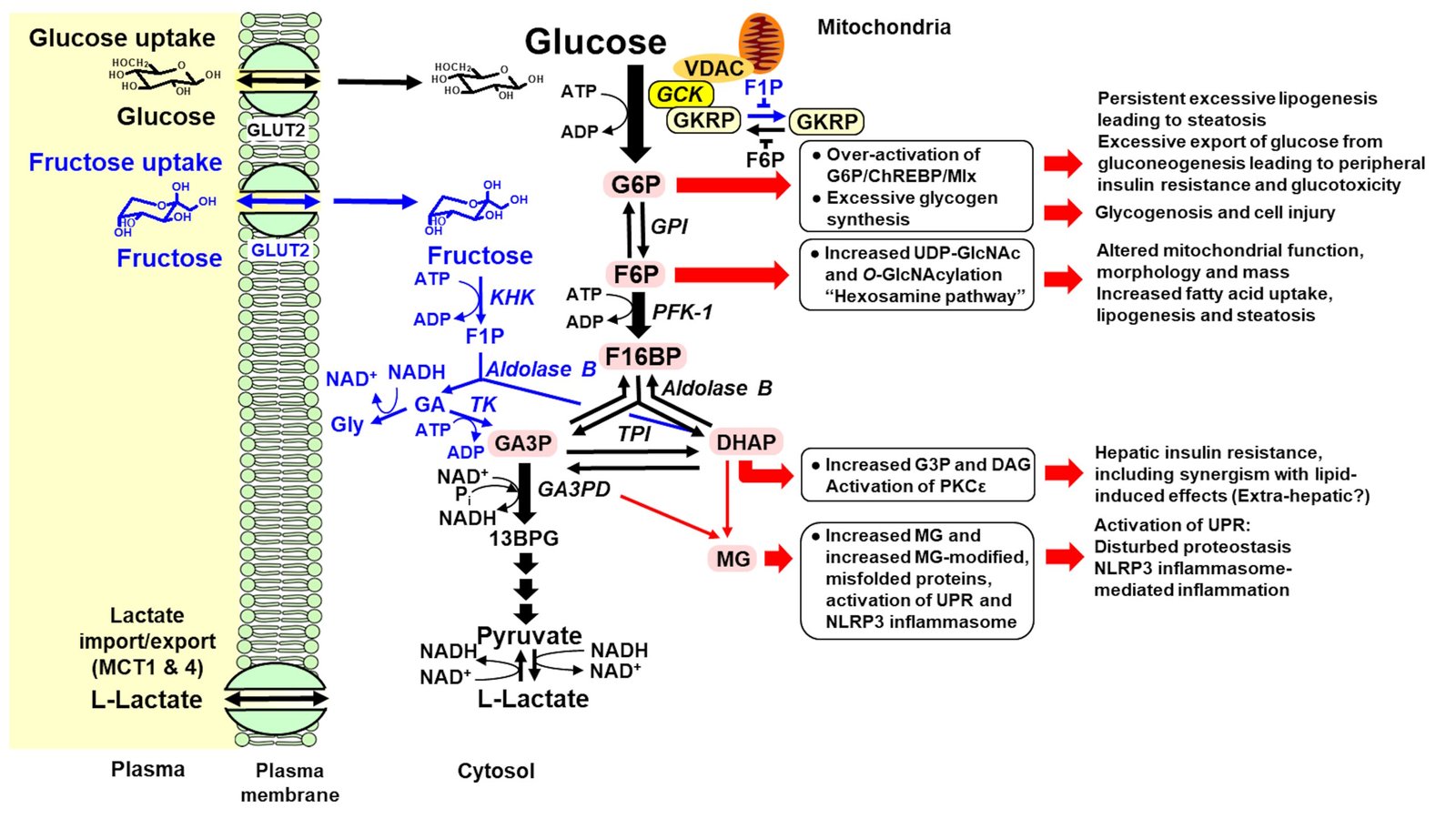
Figure 1: Unscheduled glycolysis and glycolytic overload in the initiation of metabolic dysfunction-associated steatotic liver disease. Key: pink back-filled metabolites, glycolytic intermediates increased in unscheduled glycolysis; red arrows – pathways of pathogenesis initiated by unscheduled glycolysis in hepatocytes; and blue metabolites and arrows – metabolism of fructose. Names of enzymes are given in italics. The nuclear translocation of GCK and GKRP is not shown for clarity.
Paul J Thornalley, 7th November 2025
Clinical evidence-based dietary supplements – appropriately considered along with drugs for adjunct and first line treatments
I saw a paper today on a study finding that maintaining endothelial cell levels of NADPH is a strategy to counter vascular aging. Having found this, drug repurposing was explored for 1419 drugs. However, we already know that GlucoRegulate supplement increases expression of glucose-6-phosphate dehydrogenase (G6PD) to increase NADPH and is well tolerated and safe. See our study of GlucoRegulate development. This is an example where dietary supplements targeting activation of Nrf2 and increased expression of antioxidant response element-linked G6PD can be considered along with repurposed drugs as adjunct or even first line treatments – particularly as dietary supplements typically do not suffer the clinical adverse effects of synthetic drugs. The dietary supplements need to be clinically evidence-based, of course, and if used in special drug delivery format or out of the known safe and well-tolerated range, assessed for safety.
New paper
Plasma Glycated and Oxidized Amino Acid-Based Screening Test for Clinical Early-Stage Osteoarthritis
Aisha Nasser J. M. Al-Saei, Usman Ahmed, Edward J. Dickenson, Kashif Rajpoot, Mingzhan Xue, Essam M. Abdelalim, Abdelilah Arredouani, Omar M. E. Albagha, Damian R. Griffin, Paul J. Thornalley and Naila Rabbani
The diagnosis of early-stage osteoarthritis (eOA) is important in disease management and outcomes. Herein we report the clinical validation of a blood test for the diagnosis of eOA in a large patient cohort using trace-level glycated and oxidized amino acid analytes. Subjects were recruited and enrolled in two study groups: subjects with eOA of the hip (n = 110) and asymptomatic controls (n = 120). Their plasma was analyzed for glycated and oxidized amino acids by quantitative liquid chromatography–tandem mass spectrometry. Algorithms were developed using plasma hydroxyproline and 12 glycated and oxidized amino acid analyte features to classify the subjects with eOA and asymptomatic controls. The accuracy was defined as the percentage of the subjects correctly classified in the test set validation. The minimum number of analyte features required for the optimum accuracy was five glycated amino acid analytes: Nω-carboxymethyl-arginine, hydroimidazolones derived from glyoxal, methylglyoxal and 3-deoxyglucosone, and glucosepane. The classification performance metrics included an accuracy of 95%, sensitivity of 96%, specificity of 94%, area under the curve of the receiver operating characteristic curve of 99%, and positive and negative predictive values of 94% and 97%. We concluded that an assay of five trace-level glycated amino acids present in plasma can provide a simple blood test for the screening of eOA. This is predicted to improve the case identification for expert referral 9-fold.
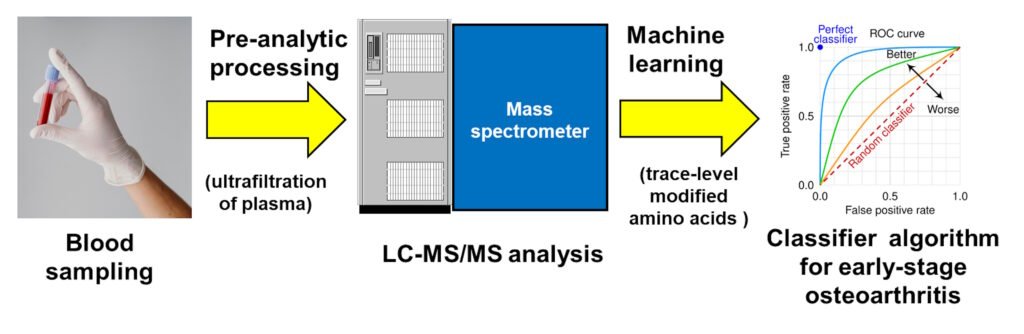
Antioxidants 2025, 14, 1146. https://doi.org/10.3390/antiox14101146
Published 23rd September 2025.
New Paper
Glyoxalase 1 Inducer, trans-Resveratrol and Hesperetin–Dietary Supplement with Multi-Modal Health Benefits
by Mingzhan Xue, Naila Rabbani and Paul J. Thornalley
Abstract
A dietary supplement, trans-resveratrol and hesperetin (tRES+HESP)—also known as GlucoRegulate—induces increased expression of glyoxalase 1 (Glo1) by activation of transcription factor Nrf2, countering accumulation of the reactive dicarbonyl glycating agent, methylglyoxal. tRES+HESP corrected insulin resistance and decreased fasting and postprandial plasma glucose and low-grade inflammation in overweight and obese subjects in a clinical trial. The aim of this study was to explore, for the first time, health-beneficial gene expression other than Glo1 induced by tRES+HESP in human endothelial cells and fibroblasts in primary culture and HepG2 hepatoma cell line and activity of cis-resveratrol (cRES) as a Glo1 inducer. We measured antioxidant response element-linked gene expression in these cells in response to 5 µM tRES+HESP by the NanoString method. tRES+HESP increases gene expression linked to the prevention of dicarbonyl stress, lipid peroxidation, oxidative stress, proteotoxicity and hyperglycemia-linked glycolytic overload. Downstream benefits were improved regulation of glucose and lipid metabolism and decreased inflammation, extracellular matrix remodeling and senescence markers. The median effective concentration of tRES was ninefold lower than cRES in the Glo1 inducer luciferase reporter assay. The GlucoRegulate supplement provides a new treatment option for the prevention of type 2 diabetes and metabolic dysfunction–associated steatotic liver disease and supports healthy aging.
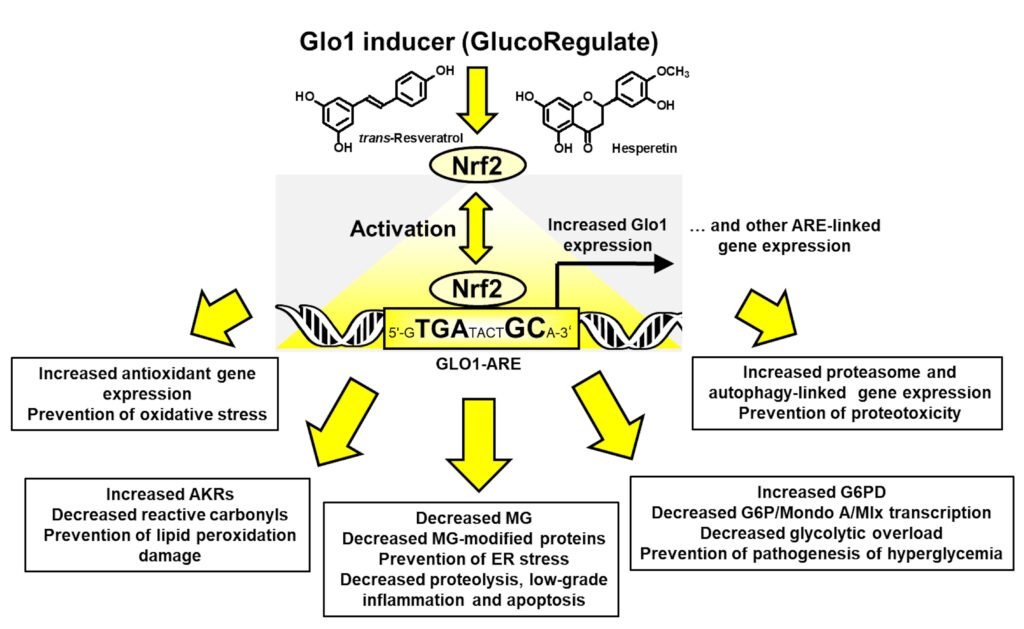
Keywords: methylglyoxal; oxidative stress; lipid peroxidation; ER stress; proteotoxicity; insulin resistance; diabetes; MASLD; aging; resveratrol
Antioxidants 2025, 14(8), 956; https://doi.org/10.3390/antiox14080956
Published: 4 August 2025
New paper
Overload of Glucose Metabolism as Initiating Factor in Diabetic Embryopathy and Prevention by Glyoxalase 1 Inducer Dietary Supplement
by Parri Wentzel, Mingzhan Xue, Naila Rabbani, Ulf J. Eriksson, and Paul J. Thornalley
Abstract
Hyperglycemia in early-stage embryogenesis is linked to diabetic embryopathy. High-glucose-concentration-induced accumulation of hexokinase-2 (HK2) may initiate metabolic dysfunction that contributes to diabetic embryopathy, including increased formation of methylglyoxal (MG). In this study, we evaluated changes in HK2 protein levels and embryo dysmorphogenesis in an experimental model of diabetic embryopathy. Rat embryos were cultured with high glucose concentrations, and the effects of glyoxalase 1 (Glo1) inducer, trans-resveratrol and hesperetin (tRES + HESP) were evaluated. Rat embryos, on gestational day 9, were cultured for 48 h in low and high glucose concentrations with or without tRES + HESP. Embryo crown–rump length, somite number, malformation score, concentrations of HK2 and Glo1 protein, rates of glucose consumption, and MG formation were assessed. Under low-glucose conditions, embryos exhibited normal morphogenesis. In contrast, high-glucose conditions led to reduced crown–rump length and somite number, and an increased malformation score. The addition of 10 μM tRES + HESP reversed these high glucose-induced changes by 60%, 49%, and 47%, respectively. Embryos cultured in high glucose showed increases in HK2 concentration (42%), glucose consumption (75%), and MG formation (27%), normalized to embryo volume. These elevated HK2 levels were normalized by treatment with 10 μM tRES + HESP. Thus, high-glucose-induced metabolic dysfunction and embryopathy may both be initiated by HK2 accumulation and may be preventable with tRES + HESP treatment.
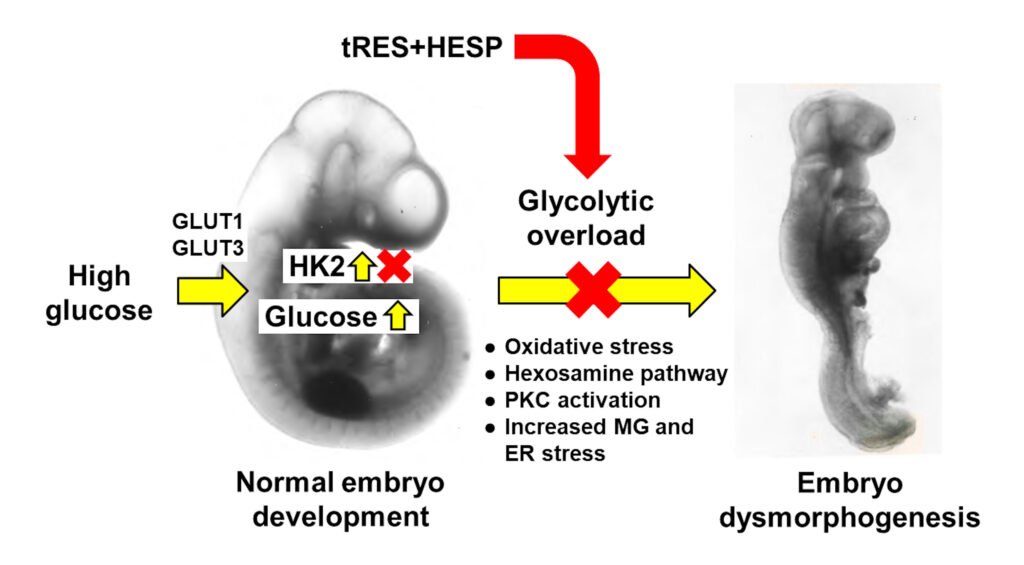
Keywords: hyperglycemia; metabolic dysfunction; glycation; diabetic embryopathy; teratogenesis
Antioxidants 2025, 14(8), 1022; https://doi.org/10.3390/antiox14081022
Published: 21st August 2025
Conference presentation
XIII annual conference – Autism: Challenges and Solutions (ANO), Moscow, Russia, 12th – 14th September 2025

Title of presentation: Maternal and infant hyperglycemia – emerging evidence of impact on risk and symptoms of autism
Naila Rabbani and Paul J Thornalley
Summary
- Maternal obesity, gestational diabetes and diabetes type 1 and type 2 increases risk of autism in offspring by 42%, 48% and 74%, respectively
- This is likely due to exposure of the developing embryo and fetus to high glucose concentration in insulin resistance and hyperglycemia
- Abnormal high glucose metabolism occurs in regions of the brain with hexokinase 2 – susceptible to hexokinase-2 linked glycolytic overload; cf. in diabetic embryopathy
- This is expected to cause dysfunction in oligodendrocyte precursors, astrocytes and microglia affecting neuronal activity and immune responses
- Insulin resistance in infants with autism may sustain and prolong symptoms
- Improved glycemic health of mother and infant may reduce risk of autism in offspring and severe symptoms in children. Supplement treatment may soon emerge
Paul J Thornalley, 16th September 2025